
Selecting the right sod for your lawn or project is a crucial first step for ensuring long-term success, and understanding the specific irrigation needs of each variety is equally important. Different types of sod have varying water, sunlight, and maintenance requirements.

Common Sod Varieties
Bermuda Grass: Bermuda grass is a warm-season turf known for its excellent heat and drought tolerance. It thrives in full sun and is commonly used for sports fields, golf courses, and home lawns. Bermuda grass requires regular irrigation, especially during hot and dry periods. It's important to water deeply but infrequently to encourage deep root growth.
Zoysia Grass: Zoysia grass is another warm-season option that offers good shade tolerance compared to Bermuda. It forms a dense, thick lawn and is well-suited for both residential and commercial landscapes. Zoysia grass has moderate water requirements. Overwatering can lead to thatch buildup and disease problems, so it's best to allow the soil to dry slightly between waterings.
Centipede Grass: Centipede grass is a low-maintenance, warm-season turfgrass that is well-adapted to acidic soils. It is often used for home lawns due to its slow growth rate and minimal fertilizer needs. Centipede grass is relatively drought-tolerant but benefits from regular irrigation during extended dry spells. Avoid overwatering, as it can make the grass susceptible to disease.
Fescue Grass: Fescue grass is a cool-season turfgrass that performs well in cooler climates. It is known for its fine texture and shade tolerance, making it a popular choice for lawns in the Augusta, GA area. Fescue grass requires regular irrigation, especially during the hot summer months. It's important to water deeply and frequently enough to prevent the soil from drying out completely.
Irrigation Best Practices
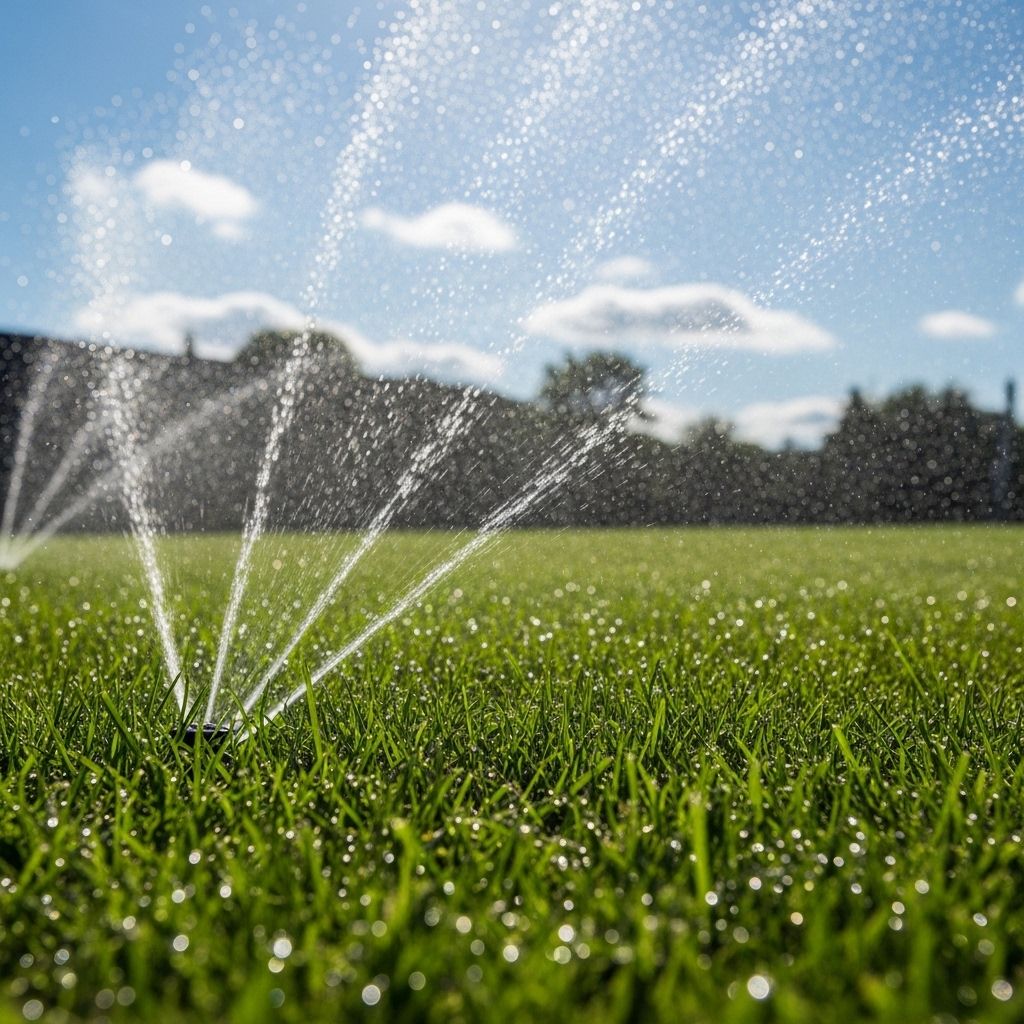
Water deeply and infrequently: Encourage deep root growth by watering thoroughly but less often.
Water early in the morning: Minimize water loss due to evaporation by watering during the cooler morning hours.
Monitor soil moisture: Use a soil moisture meter or probe to check the moisture level in the root zone.
Adjust watering schedule: Adjust your irrigation schedule based on weather conditions and seasonal changes.
Understanding the specific irrigation needs of different sod varieties is crucial for maintaining a healthy and beautiful lawn. By following these guidelines and best practices, you can ensure that your lawn receives the right amount of water to thrive. Southeastern Turf Grass LLC has provided the best turfgrass sod for any home or business usage in Georgia for over 40 years. Contact us today for a landscape design or sod installation quote and let our experts help you select the perfect sod and develop an irrigation plan that meets your unique needs.